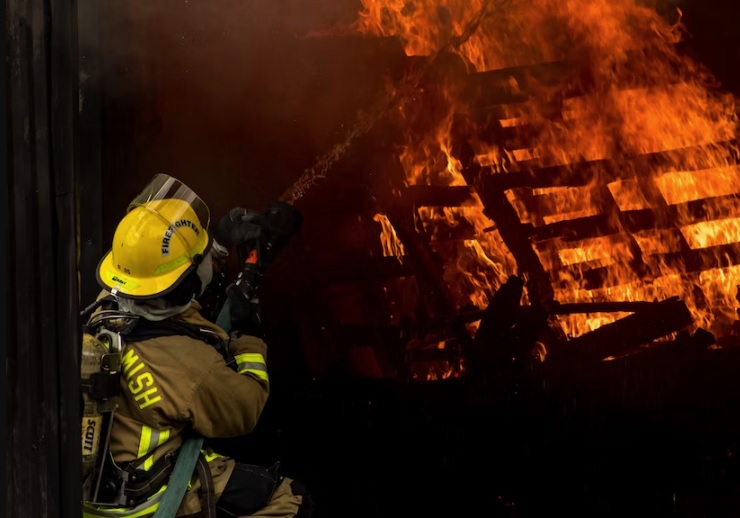
Firefighting foam has been a crucial tool in fighting fires for decades. However, recent studies have shown that the foam, which contains toxic chemicals, poses a serious threat to the environment and human health.
According to a Federal Emergency Management Agency report, the chemicals in firefighting foam can build and remain in the human body for extended periods of time. Long-term exposure to high amounts of these substances generates a buildup in the body. This accumulation may have unfavorable health consequences, such as an increased risk of thyroid illness and renal, testicular, and bladder cancer.
In this article, we will explore the environmental impact of firefighting foam, the lawsuits filed against its manufacturers, and the role of law firms in seeking justice for the harm caused. We will also examine the current state of litigation related to firefighting foam and discuss efforts to find safer alternatives to the foam.
The Environmental Impact
Firefighting foam contains per- and polyfluoroalkyl substances (PFAS), which are harmful chemicals that can cause health problems such as cancer, thyroid disease, and developmental issues.
These chemicals are persistent in the environment, meaning they do not break down over time, and can accumulate in the food chain. The use of firefighting foam has resulted in the contamination of groundwater, surface water, and soil, which has led to the closure of some water sources and environmental damage.
According to a post by the Environmental Protection Agency (EPA), a growing number of published reports of PFAS exposures is raising interest and concern among states, tribes, and other localities, who are looking to the EPA for assistance in understanding and managing the risk of PFAS to public health and the environment.
The Legal Battles
The use of firefighting foam has led to several lawsuits against the manufacturers of the foam. The lawsuits allege that the manufacturers knew about the potential harm of the chemicals in the foam but failed to warn consumers or take action to prevent harm. The lawsuits seek compensation for the harm caused to individuals and the environment.
Law firms across the country are working to hold the manufacturers of firefighting foam accountable for the harm caused. These firms are using their expertise in environmental law, toxic tort law, and product liability law to represent individuals and communities impacted by the use of firefighting foam. They are fighting for compensation for medical expenses, lost wages, and other losses caused by the harmful chemicals in the foam.
Some law firms, like TorHoerman Law, LLC, have sought government action to strengthen the firefighting foam lawsuit. This includes submitting complaints to regulatory bodies and advocating for stronger rules regarding the use of firefighting foam.
It’s worth noting that every law firm operates differently, and what works for one client may not work for another. Therefore, it’s essential to research and evaluate different law firms to find the one that best suits your needs. Consider scheduling consultations with multiple law firms to ask questions, get a sense of their approach, and determine if they are a good fit for your case.
The Current State of Firefighting Foam Litigation
The use of firefighting foam has been the subject of ongoing litigation as communities across the country have taken action to hold manufacturers accountable for the harm caused by the toxic chemicals in the foam. However, progress has been slow, and compensation for those impacted has been limited.
In many cases, the manufacturers have fought back against legal action, arguing that they were not aware of the harm caused by the chemicals in the foam. As a result, it has been challenging for those impacted to secure the compensation they need to address the harm caused.
In the firefighting foam class action, there are currently 4,058 AFFF cancer claims outstanding, according to an update by the Lawsuit Information Center. There is a widespread rumor that a global settlement agreement for the AFFF litigation may be in the works.
Safer Alternatives to Firefighting Foam
In light of the harm caused by firefighting foam, there has been an increased focus on finding safer alternatives that can be used to fight fires. One alternative is to use fluorine-free foam, which is free of PFAS chemicals.
Fluorine-free foam has been found to be just as effective at fighting fires as traditional firefighting foam, and it does not pose the same risks to human health or the environment.
Conclusion
The use of firefighting foam containing harmful PFAS chemicals has caused significant environmental damage and has impacted the health of individuals and communities. Despite ongoing litigation, progress toward compensation for those affected has been slow.
However, there is hope for finding safer alternatives, such as fluorine-free foam, that can mitigate the harm caused by firefighting foam. Law firms are playing an essential role in seeking justice for the harm caused by manufacturers of firefighting foam.
The fight against the use of harmful chemicals in firefighting foam is ongoing, and continued efforts toward finding safer alternatives and holding manufacturers accountable are crucial.
About the Author