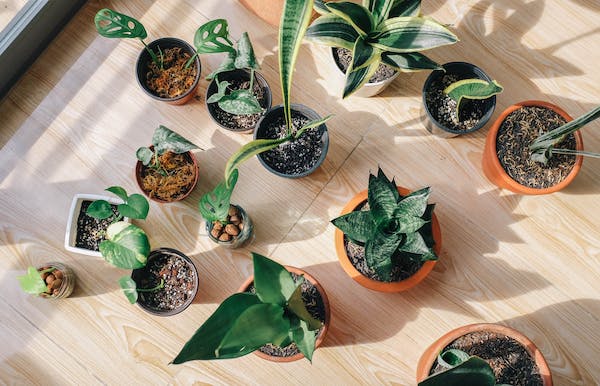
If your plants are exposed to cold temperatures, it’s important to take action to protect them from damage. Here are some steps you can take to help your plants survive cold weather.
- Check the weather forecast
The first step in protecting your plants from cold weather is to check the weather forecast. This will give you an idea of how cold it’s going to get and how long the cold snap is expected to last. If you know that cold temperatures are coming, you can take steps to protect your plants before they’re exposed to the cold.
- Move potted plants indoors
If you have potted plants that are susceptible to cold temperatures, consider moving them indoors if possible. This is especially important if the temperatures are expected to drop below freezing. If you can’t bring them indoors, consider moving them to a sheltered area such as a covered porch or under an overhang.
- Cover plants with blankets or sheets
If you have plants that can’t be moved indoors, you can cover them with blankets or sheets to protect them from the cold. Be sure to use a lightweight material is used in garden center Milwaukee that won’t crush the plants. You can also use frost blankets or row covers, which are designed specifically for protecting plants from cold weather.
4 . Water plants before a freeze
Watering your plants before a freeze can help protect them from the cold. Water acts as an insulator, helping to keep the plants warm. Be sure to water the plants well before the temperature drops, as the soil will freeze quickly once the temperature drops.
- Mulch around the base of plants
Mulching around the base of plants can help protect them from cold temperatures. Mulch helps to keep the soil and roots warm. Be sure to use a thick layer of mulch, at least 2-3 inches deep, and keep it away from the base of the plant to prevent rot.
- Bring sensitive plants indoors
If you have plants that are particularly sensitive to cold temperatures, consider bringing them indoors. This is especially important if the temperatures are expected to drop below freezing. Plants such as tropical plants, succulents, and cacti are particularly susceptible to cold temperatures and should be brought indoors if possible.
- Prune damaged leaves and branches
If your plants do suffer damage from the cold, prune any damaged leaves or branches as soon as possible. This will help prevent the damage from spreading and will encourage new growth. Be sure to use sharp, clean pruning shears to avoid further damaging the plant.
- Wait before pruning frost-damaged plants
If your best indoor plants have been damaged by frost, it’s important to wait before pruning them. Frost-damaged plants may look dead, but they may still be alive. Wait until new growth appears before pruning them, as this will help you determine which parts of the plant are still alive.
- Don’t overwater plants during cold weather
While it’s important to water your plants before a freeze, it’s important not to overwater them during cold weather. Overwatering can reason for the roots to rot, which can be fatal to the plant. Be sure to let the soil dry out slightly.
- Be patient
Finally, be patient. It can take some time for plants to recover from cold damage. If your plants have suffered damage, be patient and wait for new growth to appear. With proper care and attention, your plants should recover from the cold and thrive once again.
About the Author