Wagyu beef needs no introduction to anyone passionate about cuisine, especially those who appreciate a luscious steak. This Japanese delicacy is famous worldwide for its rich flavors, soft texture, and distinctive marbling. However, not every Wagyu is made equal, with substantial quality variations. We must first examine the grading method used to categorize Wagyu cattle to understand the differences.
The Origin of Wagyu
“Wagyu” translates to “Japanese cow,” and the bovine breed is indigenous to Japan. Wagyu refers to four basic breeds: Japanese Black, Japanese Brown, Japanese Shorthorn, and Japanese Polled. Japanese Black accounts for more than 90% of Wagyu cattle in Japan.
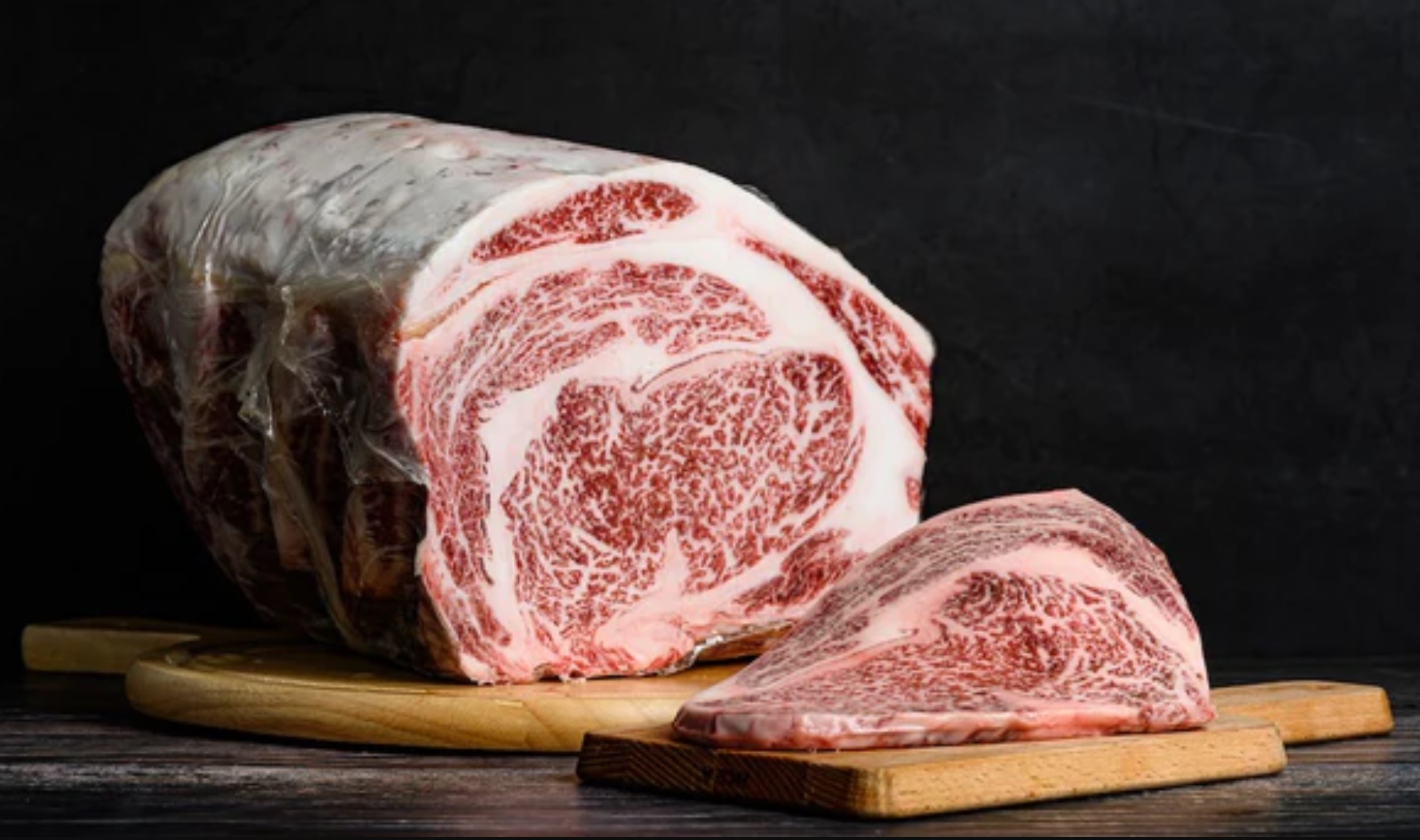
The amazing marbling of Wagyu beef, a word signifying the intramuscular fat spread throughout the meat, is its distinguishing feature. This fat melts when cooked, giving the meat its buttery, rich flavor and melt-in-your-mouth quality.
Many restaurants and culinary lovers flock to A5 Wagyu wholesale suppliers for high-quality steak. The best quality meat comes from A5 Wagyu, the top tier of Japanese cattle. Continue reading to learn more about the grading system.
The Grading System
Wagyu beef is painstakingly inspected and classed by the Japan Meat Grading Association’s (JMGA) regulated grading system. There are two major criteria to consider: yield grade and meat quality grade.
Yield grade is rated as A, B, or C, based on the meat-to-carcass weight ratio. ‘A’ stands for above standard, ‘B’ stands for standard, and ‘C’ stands for below standard
The meat quality grade is determined by four factors: marbling, meat color and brightness, firmness and texture, and fat color, luster, and quality. Each facet is evaluated from 1 (lowest) to 5, with the ultimate quality score being the lowest of the four criteria. A5 is the highest attainable grade, indicating the maximum yield and quality.
Marbling (BMS: Beef Marbling Score)
Marbling is the primary indicator of Wagyu quality, and it is scored on a scale of 1 (least marbling) to 12 (most marbling). The BMS is divided into five categories: 1-3 (poor), 4-7 (average to good), 8-9 (very good), and 10-12 (outstanding). Wagyu of A5 grade must have a BMS of 8-12.
The melting point is low because of the high quantities of monounsaturated fats, resulting in the renowned melt-in-your-mouth quality. Intricate marbling also signifies a healthy upbringing for the Wagyu, as it develops over a lengthy period of low-stress living conditions.
Meat Color and Brightness
Wagyu beef should be bright, cherry red, indicating freshness and high quality. The brightness of the meat reflects its ability to retain its color over time, which impacts its shelf life.
Firmness and Texture
The coarseness or fineness of the muscle fiber affects how the meat feels in the mouth. The texture of high-quality Wagyu should be robust but sensitive.
Fat Quality
Finally, the fat’s color, sheen, and quality are evaluated. White Wagyu fat indicates lower melting temperatures and contributes to the meat’s rich flavor.
American and Australian Wagyu Grades
Outside of Japan, American and Australian systems grade Wagyu differently, considering factors such as weight and age. Conversely, marbling remains a primary focus, with each system having its marbling score.
The USDA grading system in the United States spans from Select (least marbling) to Prime (most marbling), with Choice in between. The USDA Prime grade, while the highest in the system, corresponds roughly to a 4-5 on the JMGA BMS scale.
The AUS-MEAT grading system in Australia rates marbling on a scale of 0-9+. The highest marbling grade in Australia, 9+, corresponds to a BMS of 9 in Japan.
Implications for Consumers
Understanding Wagyu grading systems is more than just a matter of academics. It has far-reaching consequences for customers. For example, the Japanese A5 Wagyu is the pinnacle of luxury, but it is expensive. A3 or A4 grade Wagyu, on the other hand, strikes a balance between exceptional quality and price.
In the United States, ‘American Wagyu’ refers to cattle crossbred between Japanese Wagyu and American breeds. Although they may not have the dramatic marbling of full-blooded Japanese Wagyu, they are usually less expensive and can provide a better eating experience than standard American beef.
Similarly, full-blooded Australian Wagyu can achieve excellent marbling ratings and provide an experience comparable to Japanese Wagyu.
How Can You Pair Complementary Flavors with A5 Wagyu Beef?
Choosing the right complementing ingredients to match the excellent flavors of A5 Wagyu beef can enrich your dining experience. Well-chosen additions and seasonings can improve A5 Wagyu’s rich, buttery flavor and soft texture. Here are a few ideas to consider:
Umami-Enhancing Ingredients
A5 Wagyu beef has a natural umami flavor, but it can be enhanced with umami-rich items such as mushrooms, soy sauce, miso, or fermented products. These seasonings balance the flavors and enhance the richness of the meat.
Citrus Notes
Citrus fruits, like lemon or yuzu, have bright, acidic flavors that can provide a pleasant counterpoint to the richness of A5 Wagyu. Squeezing citrus juice over the steak or putting citrus zest into marinades or sauces can give your dinner a vivid touch.
Herbaceous Accents
Fresh herbs like thyme, rosemary, or parsley can give your A5 Wagyu dish a herbaceous flavor. Seasoning the beef with chopped herbs or adding them into marinades or compound butter can add a fresh and aromatic dimension to the overall flavor profile.
Heat and Spice
Spices such as black pepper, chili flakes, or even wasabi can add a contrasting kick to the richness of A5 Wagyu for those who appreciate a little heat. Just be careful not to overshadow the beef’s delicate nuances.
Textural Contrasts
Consider introducing texture differences in your A5 Wagyu meal, such as crispy fried shallots, roasted almonds, or sautéed vegetables. These ingredients not only give a wonderful crunch to each bite, but they also add complexity.
Conclusion
The Wagyu beef is as rich and nuanced as the meat’s flavor qualities. Understanding the grading system can enhance your Wagyu dining experience by allowing you to grasp and appreciate the genuine worth of the meat on your plate.
Whether the unequaled A5 Japanese Wagyu, American Wagyu from coveted crossbred cattle, or the highly competitive Australian Wagyu, Wagyu is a luxury treat for your taste buds. Tasting Wagyu, regardless of grade, is a gastronomic adventure, a journey into a realm where culinary artistry meets agricultural science, all culminating in a symphony of tastes that dance on your palette.
So, whether you are a gourmet connoisseur or a casual steak lover, let the Wagyu grading system guide you into this delectable realm, allowing you to consume and thoroughly appreciate and grasp the global treasure of Wagyu beef.
About the Author