FreePik.com
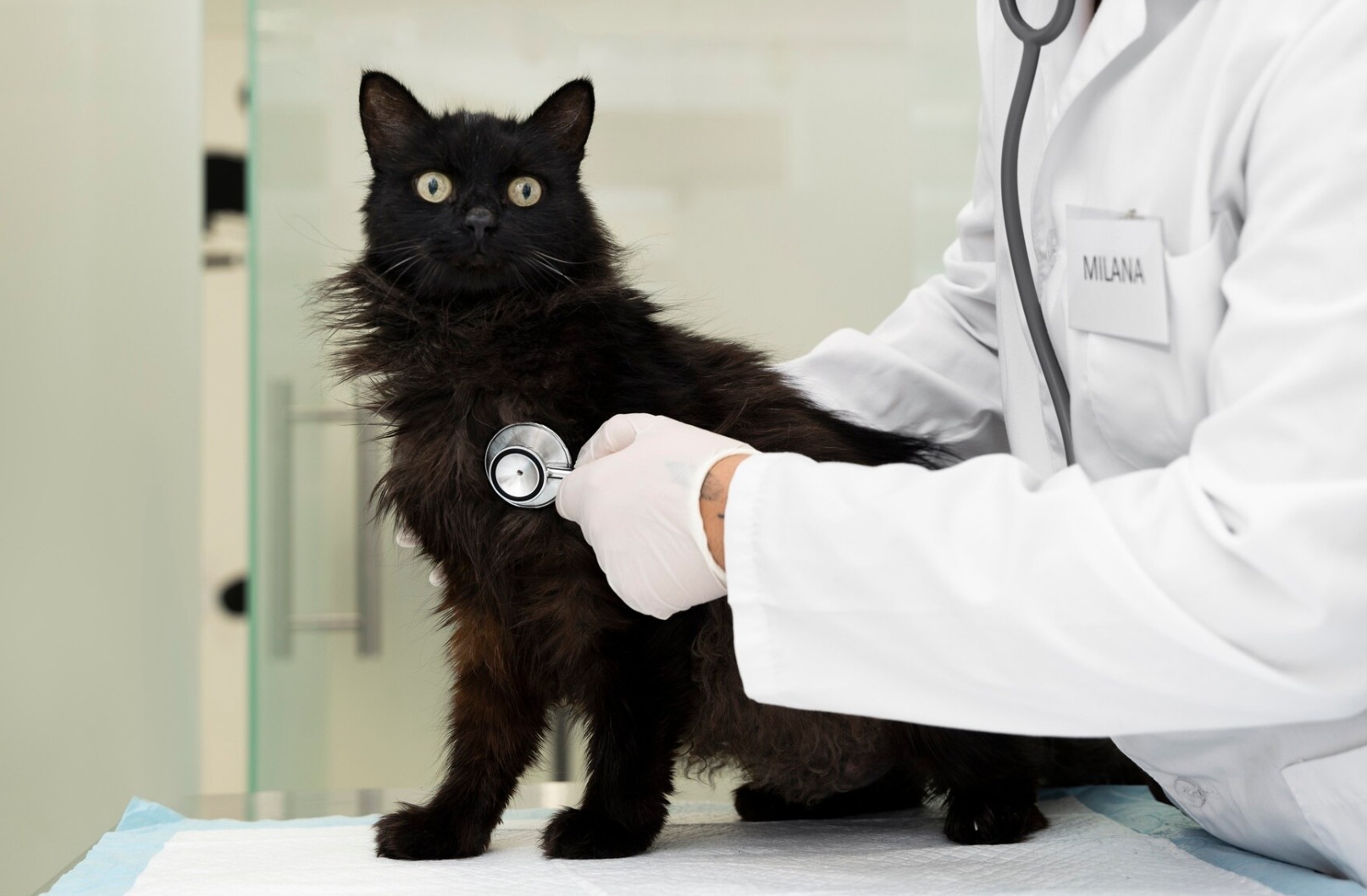
Pets with special needs ask a lot from you. Extra time. Extra patience. Extra worry. You may wonder if your regular vet can handle complex needs or rare conditions. The answer is often yes. Your general vet is your steady partner. A veterinarian in Temperance can guide you through daily care, sudden setbacks, and hard choices. You get one trusted place for checkups, medication refills, behavior questions, and pain control. Your vet can spot early warning signs and act fast. Your vet can also coordinate with specialists when needed so you do not have to manage everything alone. This support gives your pet more comfort and gives you more control and relief. You learn what to watch, what to record, and when to call. You and your vet form a stable team that protects your pet’s safety and dignity.
Understanding “Special Needs” Pets
Special needs can mean many things. Your pet might have
- A long term illness such as diabetes or kidney disease
- A genetic condition that changes growth or movement
- Limits with sight, hearing, or mobility
- Behavior problems after trauma or neglect
- Serious allergies or chronic skin problems
Each of these needs affects daily life. You might change food, set a strict schedule, or adjust your home. You might give shots or pills. You might watch closely for small changes. A general vet helps you turn fear into a clear plan.
How Your General Vet Builds a Care Plan
First, your vet listens. You share what you see at home. You share what worries you most. Then your vet checks your pet from nose to tail. This often includes
- A full physical exam
- Blood and urine tests
- Imaging such as X rays when needed
- Review of past records and test results
Next, your vet explains what is going on in plain words. You learn what the condition means, what to expect, and what choices you have. You leave with three clear things.
- A daily care plan
- A medicine plan
- An emergency plan
This structure can lower stress. You know what to do today. You know what to watch for tomorrow. You know when a problem is urgent. For basic background on common pet diseases, you can also review guidance from the American Veterinary Medical Association.
Daily Care: What You Do and What Your Vet Does
You manage the daily tasks. Your vet supports the medical details. Together you create a rhythm that fits your life and protects your pet. Common shared tasks include
- Setting feeding times and food type
- Planning safe exercise or play
- Creating a bathroom routine for pets with mobility or bladder issues
- Building calm spaces for anxious or blind pets
Your vet trains you in specific skills. For example, you might learn how to give insulin shots, clean ears, or change bandages. You also learn to track weight, appetite, thirst, and energy. These small notes help your vet adjust care early.
Routine Visits vs Special Needs Visits
Pets with special needs often need more visits than healthy pets. These visits are not busy work. They are chances to spot change before a crisis. The table below compares a typical healthy pet schedule with a common schedule for a pet with a chronic condition. Actual needs can differ. Your vet will guide your pet’s exact plan.
| Type of Pet | Checkup Frequency | Common Tests | Visit Length
|
| Healthy adult dog or cat | Once a year | Basic exam. Core vaccines. Fecal test. | Short visit |
| Senior pet without chronic disease | Every 6 to 12 months | Exam. Blood work. Urine test. | Short to moderate visit |
| Pet with diabetes | Every 3 months or more often | Glucose checks. Weight. Urine test. | Moderate visit |
| Pet with kidney disease | Every 2 to 4 months | Blood chemistry. Urine test. Blood pressure. | Moderate visit |
| Pet with severe allergies | Every 1 to 3 months during flare season | Skin checks. Ear checks. Medication review. | Short to moderate visit |
You can see how special needs change the rhythm. More visits. More tests. Still, each visit has a purpose. Together you and your vet use these check points to keep your pet as safe and steady as possible.
When Your Vet Brings in Specialists
Your general vet does not work alone. When your pet needs advanced care, your vet can bring in a specialist. This might include
- A veterinary neurologist for seizures
- A cardiologist for heart disease
- An oncologist for cancer
- A behavior specialist for severe fear or aggression
Your vet stays in the center of this team. Your general clinic often handles follow up visits, refills, and many tests. This can save you time and money. It also gives your pet a familiar place for stressful care.
Planning for Emergencies and Hard Moments
Special needs pets face higher risk of sudden crises. Seizures. Breathing trouble. Sudden pain. Your vet helps you prepare. Together you can
- Create a written emergency plan with clear steps
- List nearby 24 hour clinics
- Set clear signs that mean “go now”
Your vet also guides you through the hardest questions. You may need to think about quality of life. You may need to face end of life choices. A steady vet will not rush you. A steady vet will also not avoid honest talk. You deserve facts and clear options so you can act with courage and care.
How to Get the Most From Your Vet Visits
You can make each visit count. A few simple steps help.
- Bring a written list of questions
- Track symptoms in a notebook or phone
- Carry photos or short videos of behavior you cannot show in the clinic
- Ask your vet to repeat the three most important tasks when you leave
After the visit, keep all records and instructions in one place at home. Share key steps with other family members who help care for your pet. This turns your home into an extension of the clinic.
Standing Strong With Your Special Needs Pet
Caring for a special needs pet can feel heavy. You might feel worn down or alone. You are not alone. Your general vet stands with you. Together you can build a plan, adjust it over time, and protect your pet’s comfort as long as possible. You bring love and daily care. Your vet brings medical skill and a clear path. That partnership can turn fear into action and give your pet steady safety, one day at a time.
About the Author