FreePik.com
Your pet depends on you for everything, including a healthy mouth. Preventive dental care at animal hospitals protects more than teeth. It protects comfort, behavior, and life span. Regular checkups, cleanings, and home care stop silent problems before they turn into infections, tooth loss, or organ damage. Many pets hide pain. You may not notice trouble until it is severe. Early dental care keeps your pet eating, playing, and sleeping without hidden ache. It also saves you from sudden, heavy treatment costs later. A Queen West Toronto veterinarian can spot early warning signs during routine visits and guide you on simple steps at home. This blog explains three key benefits of preventive dental care at animal hospitals. You will see how it supports your pet’s health, protects your budget, and gives you peace of mind every day.
- Better health and longer life
You want your pet to stay with you as long as possible. Mouth care plays a bigger role in this than most people expect. Infection in the mouth does not stay in the mouth. Bacteria can enter the blood and reach the heart, liver, and kidneys. Over time this can strain these organs and shorten life.
Routine dental exams and cleanings remove plaque and tartar that trap bacteria. Vets can also remove loose teeth and treat gum infection before it spreads. This keeps chewing steady and helps your pet get enough food and water without pain.
Research backs this up. The American Veterinary Medical Association explains that untreated dental disease is linked with heart, liver, and kidney problems in pets.
When you keep your pet’s mouth clean you support the whole body. You also reduce bad breath and drooling. That makes daily life in your home calmer for everyone.
- Less pain and better behavior
Pets rarely show mouth pain in clear ways. They keep eating. They keep playing. Yet they may chew on one side, drop food, or walk away from toys. Some growl more. Some hide. Others lick their lips or paw at the face.
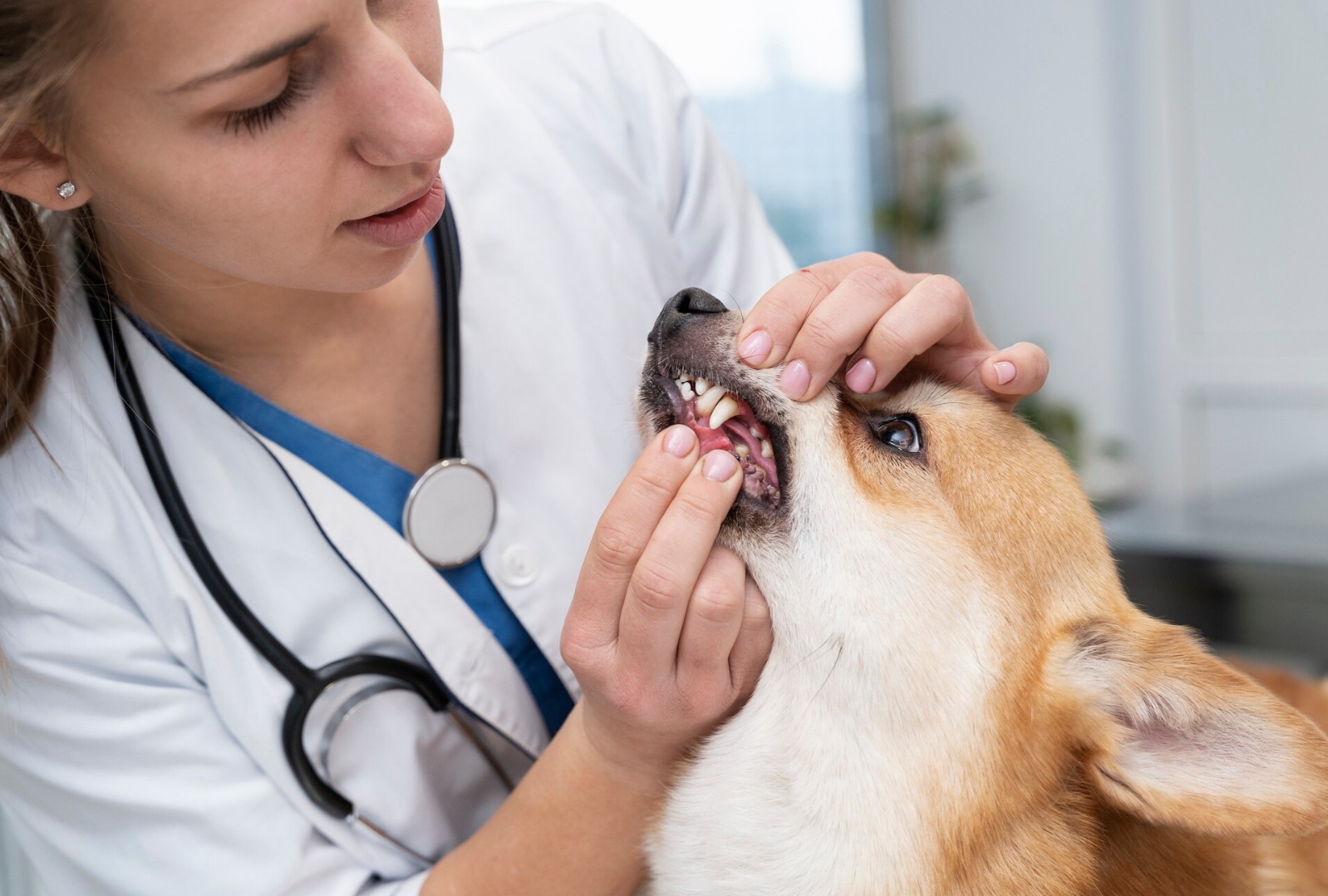
During a preventive visit, the vet checks the teeth, gums, tongue, and jaw. The team may suggest dental X rays. These show problems under the gum line that you cannot see. Early treatment removes diseased teeth and treats infection. This takes away constant ache that your pet has carried in silence.
After dental care many owners report three changes.
- More energy
- Better appetite
- Calmer or friendlier behavior
Your pet may sleep better and play more. This is not sudden personality change. It is relief. Your pet is no longer fighting steady pain.
The American Animal Hospital Association notes that most dogs and cats show signs of dental disease by age three. When you act early you prevent years of quiet suffering.
- Lower costs over time
Dental care can feel like one more bill. Yet waiting often costs more. Advanced dental disease needs longer procedures, more extractions, and strong medicine. Hospital stays can add even more cost.
Preventive visits spread care out over time. They catch problems when treatment is simple. Regular cleanings also reduce the need for emergency visits for broken or infected teeth.
The table below shows a basic comparison. Costs are estimates and vary by clinic, city, and pet size. They show how prevention often protects your budget.
| Type of care | Example services | Typical timing | Relative cost level | Stress for pet
|
| Preventive dental care | Exam, cleaning, polish, dental X rays when needed | Once a year after age 1 to 3 | Low to medium | Short visit. Faster recovery |
| Early treatment | Cleaning plus a few extractions and antibiotics | As soon as mild disease is found | Medium | Moderate visit. Some soreness |
| Late or emergency care | Many extractions, deep infection care, hospital stay | After severe disease or crisis | High | Longer visit. Higher pain and risk |
Regular home care adds even more savings. Brushing your pet’s teeth a few times per week and using vet approved dental treats or rinses can slow plaque build up. This may extend the time between cleanings.
How your animal hospital supports preventive care
You do not have to manage dental care alone. Your vet team can help you with three simple steps.
- Routine exams. Schedule wellness visits at least once a year. Ask for a full mouth check every time.
- Planned cleanings. Follow your vet’s advice on when to book a dental cleaning. Older pets and small breeds may need this more often.
- Home habits. Learn how to brush your pet’s teeth. Use pet safe toothpaste. Ask which chews and rinses are safe and useful.
At each visit, raise any small change you notice. Dropping food, pawing at the mouth, or new bad breath are all worth sharing. You know your pet best. Your vet has the tools to act on what you see.
Taking the next step
Preventive dental care at animal hospitals protects your pet’s body, mood, and your wallet. It keeps infection under control. It reduces hidden pain. It cuts the chance of sudden, costly emergencies.
Now choose one step.
- If your pet has not seen a vet in the last year, book a wellness and dental exam.
- If your vet has already found dental disease, ask for a clear plan with timing and costs.
- If your pet’s teeth are healthy, start or strengthen brushing at home.
Your pet cannot ask for this care. You can. Early action today can mean more years of shared walks, games, and quiet time with a pet who feels safe and free of mouth pain.
About the Author