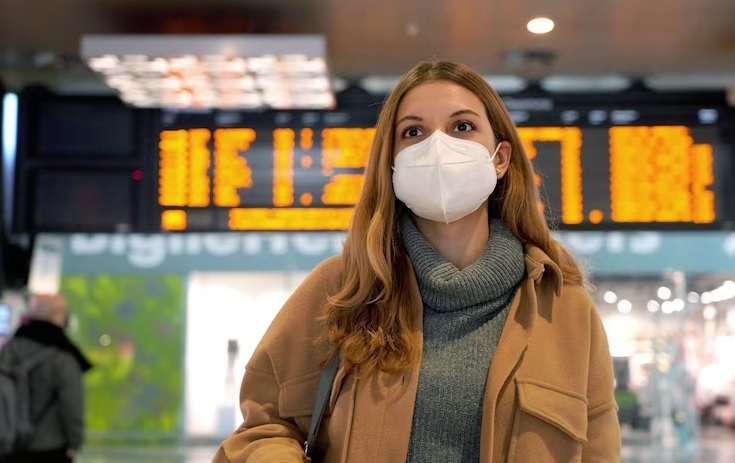
The Covid-19 pandemic has undoubtedly changed the world as we know it. This once-in-a-century global crisis had us glued to our screens, seeking information on how to stay safe and protect ourselves from this invisible enemy. In this comprehensive guide, we will delve into the details surrounding the coronavirus – from its origins and symptoms to prevention strategies and treatment options. Stay informed and empower yourself with knowledge about Covid-19 as we navigate through these unprecedented times together. Read on for an in-depth understanding of what you need to know about this formidable foe lurking among us! and know more about Rajkotupdates.News : Covid Explosion On Flight From Italy
What is The Coronavirus?
The coronavirus, specifically known as SARS-CoV-2, is a novel virus responsible for the ongoing global pandemic. It belongs to a family of viruses called Coronaviridae, which are characterized by their crown-like appearance under microscopic examination. These viruses are commonly found in animals but can occasionally jump species and infect humans.
Covid-19, short for “coronavirus disease 2019”, is the infectious respiratory illness caused by SARS-CoV-2. It first emerged in late 2019 within the city of Wuhan, located in Hubei Province, China. Since then it has spread across the globe at an alarming rate.
The rapid transmission and severe health impacts associated with Covid-19 have led to significant disruptions worldwide – affecting economies, healthcare systems and daily life on a scale that hasn’t been seen since the Spanish flu outbreak of 1918. The relentless nature of this virus means that understanding its characteristics and finding ways to combat it remains an urgent priority for researchers globally.
What are the symptoms of Covid-19?
Covid-19 is a respiratory illness caused by the SARS-CoV-2 virus. The symptoms of Covid-19 can range from mild to severe, and some people may not experience any symptoms at all.
Rajkotupdates.News : Covid Explosion On Flight From Italy
When it comes to traveling during the COVID-19 pandemic, it’s important to prioritize safety and follow guidelines to protect yourself and others. Here are some general recommendations:
During COVID-19: Here Are 10 Air Travel Health Tips
- Stay informed: Stay updated on the latest travel advisories, restrictions, and guidelines issued by local health authorities and government agencies. Check official websites or consult with travel agents for accurate and reliable information.
- Vaccination: If eligible, get vaccinated against COVID-19. Vaccination greatly reduces the risk of severe illness and transmission. Keep a record of your vaccination status, as it may be required for certain destinations or activities.
- Plan ahead: Research your destination thoroughly, including its current COVID-19 situation, travel restrictions, and any specific requirements for visitors. Consider choosing destinations with lower case rates and better healthcare infrastructure.
- Follow health guidelines: Adhere to basic preventive measures, such as wearing masks in public spaces (especially indoors), practicing good hand hygiene (frequent handwashing or using hand sanitizer), and maintaining physical distancing whenever possible.
- Test before travel: Depending on the requirements of your destination or mode of transportation, you may need to undergo COVID-19 testing before traveling. Some countries may require a negative test result taken within a specific timeframe.
- Travel insurance: Consider purchasing travel insurance that covers COVID-19-related medical expenses and trip interruptions or cancellations due to the pandemic. Review the policy details carefully to ensure it provides adequate coverage.
- Choose less crowded options: Opt for less crowded modes of transportation and accommodations whenever possible. Avoid peak travel times and crowded areas to reduce exposure to the virus.
- Pack essential supplies: Carry an ample supply of masks, hand sanitizers, disinfecting wipes, and other necessary personal hygiene items. These will come in handy during your journey, especially in situations where sanitization may be limited.
- Be mindful of local regulations: Respect and adhere to local regulations and guidelines at your destination. Familiarize yourself with any quarantine or testing requirements, mask mandates, or specific health measures in place.
- Monitor your health: Stay vigilant about your health and monitor for any COVID-19 symptoms before, during, and after your trip. If you develop symptoms or come in contact with someone who tested positive, follow local health guidelines and seek medical assistance.
Remember, the COVID-19 situation is dynamic, and guidelines can change rapidly. Stay flexible and adapt your plans accordingly for the safety of yourself and others.
Rajkotupdates.News : Covid Explosion On Flight From Italy
The most common symptoms of Covid-19 are fever, cough, and shortness of breath. Other symptoms include fatigue, body aches, headache, loss of taste or smell, sore throat and congestion or runny nose.
Symptoms may appear two to fourteen days after exposure to the virus. In some cases, people with Covid-19 have reported gastrointestinal symptoms such as diarrhea and nausea prior to developing respiratory symptoms.
It’s important to note that many other illnesses share similar symptoms with Covid-19. Therefore it is essential that you get tested if you think you might have been exposed to the virus or are experiencing any of these signs.
If you develop any new or unusual symptoms that could be related to Covid-19 such as difficulty breathing or persistent chest pain then seek medical attention immediately.
Remember that while most people with COVID 19 will recover without needing special treatment; older adults and those who have underlying medical conditions like heart disease , diabetes are more likely than young healthy individuals getting seriously ill from this infection .
How is Covid-19 spread?
Covid-19 is primarily spread through respiratory droplets from an infected person’s mouth, nose, or throat. When someone with the virus coughs, sneezes, talks, or breathes out air droplets containing the virus can land on surfaces or be inhaled by others nearby.
The virus can also be spread by touching a surface contaminated with Covid-19 and then touching one’s mouth, nose or eyes. It is important to regularly clean commonly touched surfaces such as doorknobs and countertops to prevent the spread of infection.
Additionally, Covid-19 can be transmitted before symptoms appear making it hard to know who may have the disease. This is why social distancing and wearing masks are crucial in controlling its spread.
It should also be noted that Covid-19 has been found in fecal matter raising concerns about possible transmission through sewage systems. While this isn’t a common way for the virus to spread it highlights the importance of good hand hygiene after using restrooms.
It’s important to take precautions such as washing your hands frequently and avoiding close contact with people outside your household during this pandemic.
Who is most at risk for Covid-19?
The coronavirus does not discriminate when it comes to infecting people. However, some individuals are at a higher risk of developing severe symptoms and complications from Covid-19 than others.
Rajkotupdates.News : Covid Explosion On Flight From Italy
Older adults aged 65 years or older are at the highest risk for severe illness from Covid-19. This is because their immune systems weaken with age, making them more vulnerable to infections. Additionally, seniors often have underlying health conditions such as heart disease, lung disease, or diabetes that further increase their susceptibility to complications.
People with certain medical conditions such as obesity, cancer, chronic kidney disease, and liver diseases also face an increased risk of developing severe symptoms if they contract the virus.
Individuals who work in essential businesses like healthcare workers are also at high risk due to exposure to infected patients daily. Other frontline workers such as grocery store employees and transit operators have a greater chance of being exposed due to close contact with members of the public.
Everyone should take precautions regardless of age or health status since anyone can get infected by COVID-19 and spread it unknowingly even without showing any signs.
What are the treatments for Covid-19?
Currently, there is no specific treatment for Covid-19. However, several approaches have been taken to alleviate some of the symptoms and provide relief to patients.
One common method used is providing supportive care which includes oxygen therapy to help with breathing difficulties, intravenous fluids to maintain hydration levels and medication such as acetaminophen or ibuprofen to reduce fever and ease pain.
Other treatments include antiviral drugs such as remdesivir that can speed up recovery time in severe cases. The use of steroids has also been found effective in reducing inflammation in the lungs caused by the virus.
In addition, convalescent plasma therapy where blood from recovered Covid-19 patients containing antibodies against the virus is transfused into critically ill patients has shown promising results.
It’s important to note that all these treatments are still being researched and tested extensively. Therefore, it’s essential for individuals who suspect they may have contracted Covid-19 seek medical attention immediately rather than attempt self-treatment.
Can Covid-19 be prevented?
Preventing the spread of Covid-19 is crucial in keeping ourselves and others safe. There are several ways to prevent getting infected with this virus.
Firstly, practicing good hygiene such as washing your hands regularly for at least 20 seconds with soap and water can help kill any viruses that you may have come in contact with. Avoid touching your face with unwashed hands as well.
Wearing a mask in public places where social distancing cannot be practiced is also a great way to prevent the spread of Covid-19. This helps reduce respiratory droplets from being transmitted from person to person.
Social distancing should also be practiced by staying at least six feet apart from others when possible. Avoid large gatherings and crowded spaces as much as possible to reduce your risk of exposure.
Additionally, it’s important to stay home if you’re feeling sick or have been exposed to someone who has tested positive for Covid-19. Isolating yourself will not only protect those around you but also help slow down the spread of the virus.
Preventing the spread of Covid-19 requires individual responsibility and taking simple yet effective precautions daily.
The COVID-19 pandemic, also known as the coronavirus pandemic, is a global outbreak of a novel coronavirus called SARS-CoV-2. It was first identified in December 2019 in the city of Wuhan, Hubei province, China. The World Health Organization (WHO) declared it a pandemic on March 11, 2020, due to its rapid spread and severity.
COVID-19 is primarily transmitted from person to person through respiratory droplets when an infected individual coughs, sneezes, talks, or breathes. It can also spread by touching surfaces or objects contaminated with the virus and then touching the face, specifically the mouth, nose, or eyes.
The symptoms of COVID-19 can vary from mild to severe and may include fever, cough, difficulty breathing, fatigue, body aches, sore throat, loss of taste or smell, and in severe cases, pneumonia and organ failure. However, it is important to note that some individuals infected with the virus may be asymptomatic, meaning they show no symptoms but can still transmit the virus to others.
To control the spread of the virus, various measures have been implemented worldwide, including widespread testing, contact tracing, quarantine and isolation protocols, social distancing, and the promotion of good hygiene practices such as handwashing and wearing face masks. Vaccines have also been developed and are being administered globally to help prevent COVID-19 and reduce its severity.
The COVID-19 pandemic has had a significant impact on global health, economies, and societies. It has led to the loss of millions of lives, strained healthcare systems, disrupted travel and trade, caused job losses, and resulted in social distancing measures and lockdowns in many countries. Efforts are ongoing to combat the pandemic, including vaccination campaigns and continued research into treatments and preventive measures.
Conclusion
Covid-19 is a highly contagious virus that has rapidly spread across the globe. It has affected millions of people and claimed hundreds of thousands of lives. The pandemic has caused unprecedented disruptions to our daily lives and economies. – Rajkotupdates.News : Covid Explosion On Flight From Italy
However, with effective measures such as social distancing, wearing masks, frequent hand washing, and vaccination programs in place, we can slow down the spread of the virus and protect ourselves from getting infected.
It’s important to stay informed about Covid-19 developments through reliable sources such as health organizations and news outlets. By following preventative measures and staying vigilant, we can collectively fight against this pandemic.
Let us all play our part in stopping the transmission chain by being responsible citizens who are mindful of not only our own safety but also that of others around us. Remember: We’re all in this together!
About the Author


