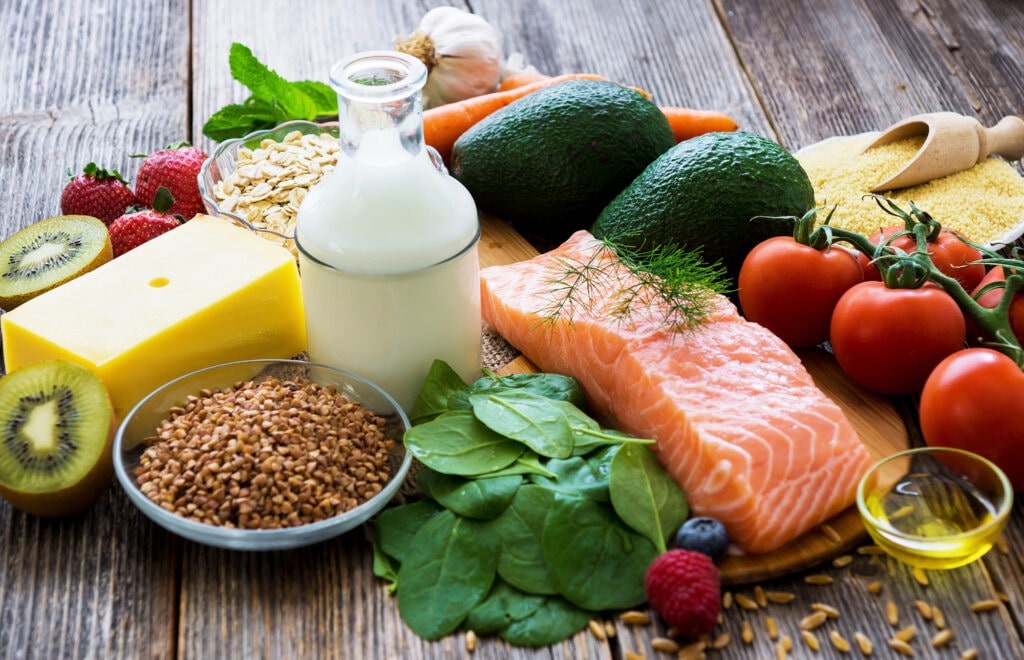
Health and Wellness Are Necessary for everyone. A healthy diet is what? Confused by the contradictory nutritional advice available? Healthy eating is not about imposing severe restrictions, maintaining an unattainable level of thinness, or depriving yourself of your favorite foods. These straightforward suggestions will help you devise, enjoy, and maintain a nutritious diet.
Eating healthy doesn’t have to be complicated. Instead, it’s about increasing your health, happiness, and energy levels while feeling fantastic. You’re not alone if you feel overloaded by the contradicting nutrition and diet recommendations available. Two more suggest the exact opposite for every expert who says a particular cuisine is healthy.
Eating food near to how nature intended it may profoundly impact how you feel, look, and think. While certain foods or minerals have been found to positively impact mood, your entire dietary pattern is what matters most. Real food should always be preferred above processed food as the cornerstone of a balanced diet.
The Cornerstones of a Healthy Diet
While some extreme diets may imply differently, maintaining a healthy body requires a diet that has a mix of protein, fat, carbs, fiber, vitamins, and minerals. You should choose the most nutritious items from each food category rather than excluding them from your diet.
While also promoting mood and cognitive function, protein offers you the energy to start going and stay going. According to the most recent study, many of us need more high-quality protein, particularly as we age. However, too much protein may be detrimental for those with renal disease. That doesn’t mean you need to consume more animal products; by consuming a range of plant-based protein sources daily, you can ensure your body receives all the necessary protein it requires.
Fat
Different types of fat exist. While poor fats may ruin your diet and raise your chance of developing certain illnesses, beneficial fats save your heart and brain from damage. Healthy fats, including omega-3s, are essential for physical and mental well-being. Increasing your intake of good fats may help you feel happier, be healthier, and even lose weight.
Fiber
Eating dietary fiber-rich foods, such as grains, fruit, vegetables, nuts, and beans, may help you keep regular and reduce your risk of diabetes, heart disease, and stroke. Additionally, it might help you look younger and possibly minimize weight.
Calcium
Lack of calcium in the diet may cause osteoporosis and other health issues, including anxiety, depression, and sleep issues. Regardless of age or gender, it’s essential to consume foods high in calcium, avoid those that deplete calcium and receive adequate magnesium and vitamins D and K to support calcium’s function.
Your body uses carbohydrates as one of its primary energy sources. However, the majority should come from complex, unprocessed carbohydrates (vegetables, whole grains, and fruit) instead of sweets and refined carbohydrates. Reduced white bread, pastries, carbs, and sugar consumption may minimize mood swings, energy fluctuations, and fat accumulation, particularly around the waist.
Altering One’s Diet To A Healthy One
It’s unnecessary to switch to a healthy diet all in a while. You don’t have to be perfect, you don’t have to give up all of your favorite foods, and you don’t have to make all of these changes at once—doing so generally results in cheating or giving up on your new eating regimen.
In order to accomplish more over time without experiencing deprivation or being too overwhelmed by a radical diet change, it might be helpful to keep your objectives small. Making a few little adjustments at once is a preferable strategy. Consider putting together a nutritious diet as a series of doable, incremental steps, including a salad once daily. You may keep including more nutritious options as your tiny adjustments become habits.
About the Author


