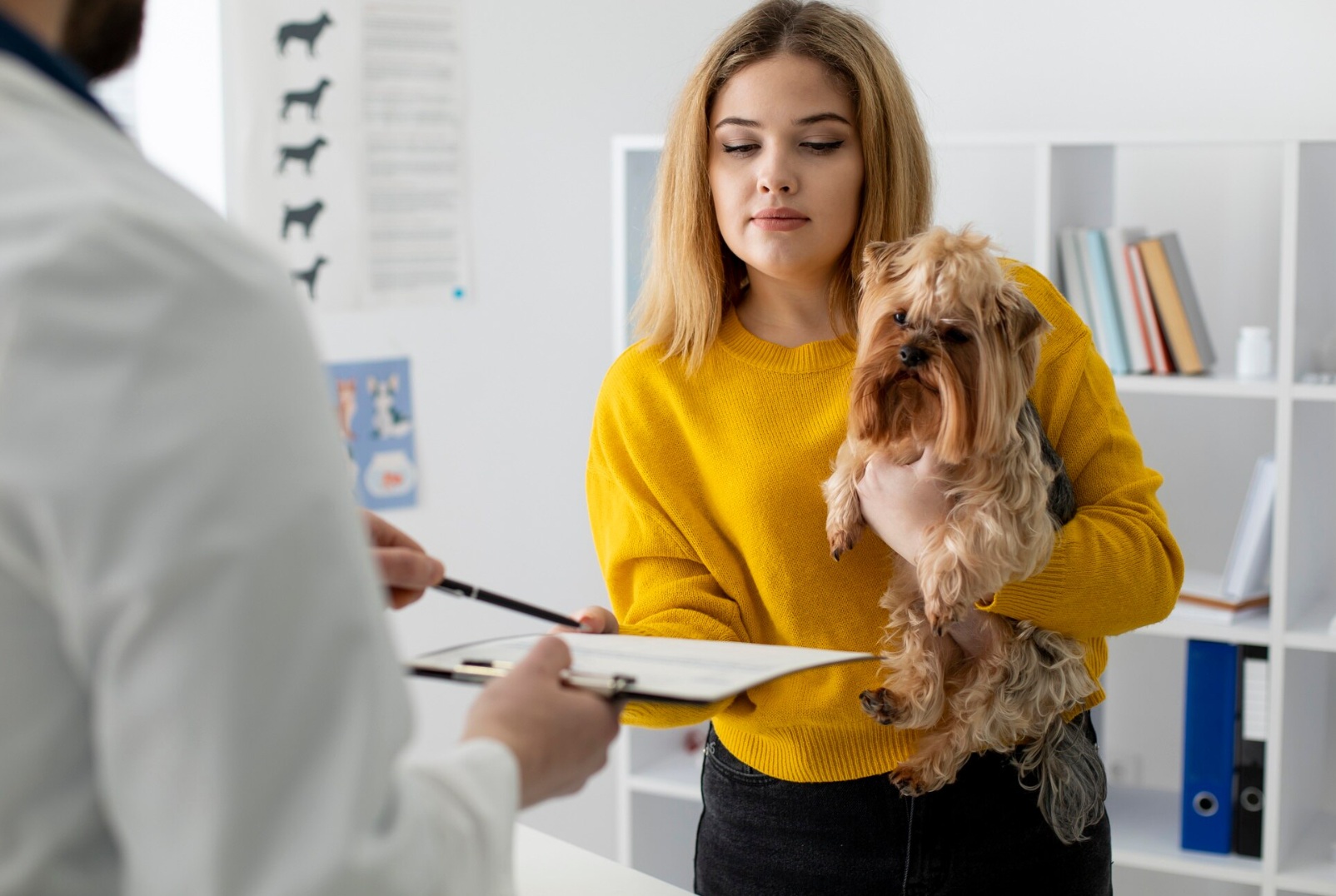
FreePik.com
Taking your pet to the vet can stir up worry, guilt, or confusion. You want to do the right thing, yet the visit can feel rushed and tense. Care starts before you walk through the clinic door. When you prepare, you protect your pet, your wallet, and your own peace of mind. You also help your London, Ontario veterinarian focus on what matters most. Clear questions. Accurate history. Calm handling. These pieces let your vet find problems early and treat them faster. They also reduce fear for your pet. This blog shares 6 simple steps that you can start today. You will learn how to gather records, track symptoms, plan transport, manage food and water, support your pet’s emotions, and follow up after the visit. You deserve straight answers. Your pet deserves a safe, steady plan.
- Gather your pet’s records and write your top concerns
You think you will remember every detail. You will not. Stress strips memory. A short written plan keeps you on track.
Before the visit, you can:
- Collect vaccine records, test results, and past visit notes
- List all medicines, supplements, and flea or tick products
- Write your top three concerns in clear, short sentences
You might write:
- “Coughing at night for two weeks”
- “Not finishing meals”
- “Scratching ears and shaking head”
Next, you can check if your pet needs core vaccines or heartworm tests. The Centers for Disease Control and Prevention explains how pet health links to your own health. This helps you ask focused questions about shots, parasites, and disease risks.
Bring your list to the clinic. Hand it to the staff. This saves time. It also reduces the chance that you walk out and realize you forgot to ask something that keeps you awake at night.
- Track symptoms and daily habits
Your story is data. Your vet reads that story to find patterns that tests might miss.
For one week before the visit, you can track:
- Eating and drinking
- Bathroom habits
- Energy level and play
- Coughing, sneezing, limping, or itching
- Any change in mood or sleep
You can use your phone notes or a simple chart. Even rough notes help. Time, length, and triggers matter. For example, “vomited once after eating grass” is different from “vomiting every morning before breakfast.”
The Ohio State University Veterinary Medical Center shares that behavior and health link closely. Changes in grooming, hiding, or social time can point to pain or illness. When you track these details, you give your vet clues they cannot see in a ten minute exam.
- Plan safe, low stress transport
The trip to the clinic can set the tone. If the ride is rough, your pet may walk in already tense. You can lower that stress with a few simple steps.
For cats and small pets, you can:
- Use a secure carrier that opens from the top and front
- Place a towel or small blanket with your scent inside
- Leave the carrier out at home so it feels normal, not like a trap
For dogs, you can:
- Use a seat belt harness or crate in the car
- Practice short, calm car rides before the appointment
- Bring a leash that fits well and does not slip
Then you can plan your timing. Try to arrive a few minutes early so you are not rushing. Wait in the car if the lobby feels crowded. You can ask the clinic if they offer quiet entrance options for nervous pets.
- Follow food, water, and medicine instructions
What your pet eats or drinks before the visit can affect test results. It can also affect safety if your pet needs sedation or a procedure.
Always ask the clinic when you book:
- Should your pet fast before blood work
- Should you give morning medicine as usual
- Should you bring a fresh stool or urine sample
If your pet has diabetes, a seizure history, or is very young, never fast without clear instructions. Write the plan down so you do not mix it up on the day of the visit.
You can use this simple guide as a start. Always confirm with your clinic.
| Visit type | Food | Water | Medicine
|
| Routine checkup | Feed as usual unless told not to | Offer as usual | Give as usual unless told not to |
| Blood work | Often no food for 8 to 12 hours | Often allowed | Ask which ones to skip |
| Surgery or dental | Usually no food after midnight | Often no water a few hours before | Follow exact written plan |
Clear instructions protect your pet from nausea, low blood sugar, or medicine problems. If you make a mistake, tell the staff when you arrive. Do not hide it. They will adjust the plan.
- Pack a “comfort and care” kit
A small bag can turn a hard visit into a manageable one. You can pack:
- Leash, harness, or carrier
- Favorite toy or blanket
- Small treats if allowed
- Paper towel and poop bags
- Your written questions and symptom notes
For children who come with you, you can bring a quiet book or activity. Explain in simple words what the vet will do. This can ease their worry and keep the visit calmer for everyone.
During the visit, speak in a low, steady voice. Avoid sudden hugs or restraint that might scare your pet. Ask the team to show you safe handling if you are unsure. Your calm body and face tell your pet that they are not in danger.
- Plan for clear follow up
The visit does not end when you leave the exam room. The next steps matter just as much as the test or shot.
Before you leave, you can ask:
- What is the diagnosis or working plan
- Which signs mean “call the clinic” and which signs mean “go to emergency”
- How and when to give each medicine
- When to book the next visit
Then you can request written instructions. Set phone reminders for medicine times and follow up dates. If something is not clear, say so. You are not wasting time. You are preventing confusion and risk at home.
Later that day, write down any new questions that come up. Many clinics offer phone, email, or online portals for short follow up questions. Use them. You are part of your pet’s care team. Your care between visits keeps the clinic work on track.
Careful preparation turns a tense appointment into a focused plan. You protect your pet from fear and pain. You also protect yourself from regret. With records, notes, safe transport, clear feeding plans, comfort items, and strong follow up, you walk into the clinic ready. Your pet feels your steady presence. Your vet can do the best work for the animal you love.
About the Author