FreePik.com
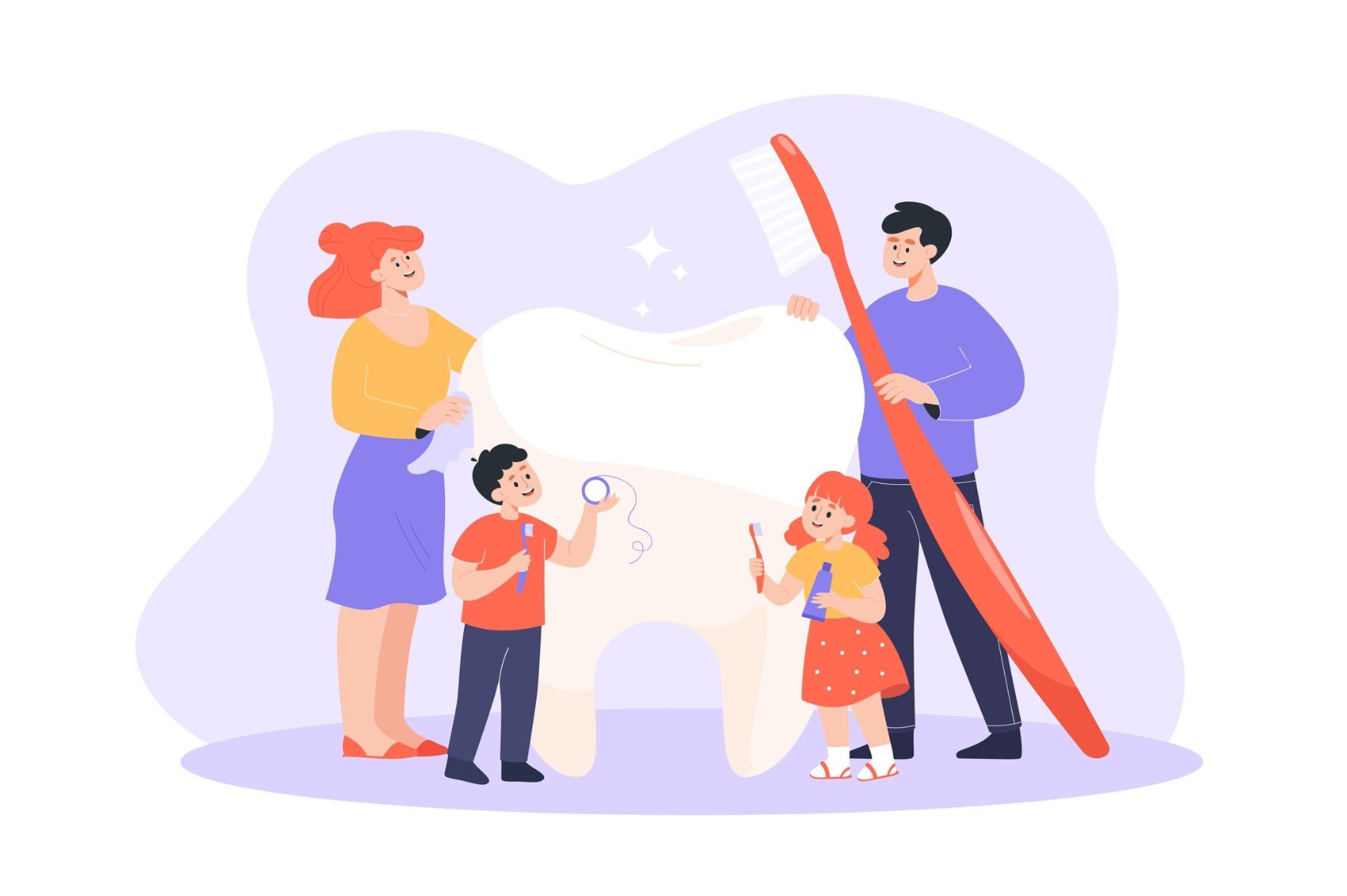
Family dentistry gives you one place for care, questions, and support. You do not just get your teeth cleaned. You learn how to protect your mouth every day. A family dentist watches small changes, explains what they mean, and shows you what to do at home. This mix of regular visits and clear teaching lowers your risk of pain, infection, and costly treatment. It also helps you feel less fear in the chair. You know what is happening and why. You build a long term bond with the same team. They know your history, your habits, and your worries. In a crisis, you can also turn to an emergency dentist in Crest Hill, IL who already understands your needs. This blog explains how family dentistry joins routine checkups with simple education so you can keep your mouth strong at every age.
Why preventive family dentistry matters for you
You face tooth decay, gum disease, and injury every day. You eat. You drink. You clench. You grind. You rush through brushing when you are tired. These small daily hits add up. Preventive care catches the damage early. Patient education helps you stop some of it before it starts.
Family dentistry aims for three goals:
Find problems early
Stop new problems from forming
Teach you how to protect your mouth at home
The Centers for Disease Control and Prevention reports that tooth decay is one of the most common chronic problems in children. Many of these cavities are preventable with strong daily care and regular checkups. You can read more about this pattern from the CDC at https://www.cdc.gov/oralhealth/conditions/index.html.
What happens during a preventive visit
A family visit is more than a quick polish. Each step links care with teaching. You see what is happening in your mouth and what you can do next.
A typical preventive visit often includes three parts.
Checkup. The dentist looks for early decay, gum swelling, worn enamel, and changes in soft tissue. You hear what they see in clear words.
Cleaning. The hygienist removes plaque and tartar. You see where buildup hides and learn how to reach it at home.
Coaching. You get simple advice on brushing, flossing, diet, and habits like thumb sucking or grinding.
This pattern repeats every visit. Over time you build skill, not just clean teeth.
How dentists turn checkups into teaching moments
You learn best when you can see and feel the problem. Family dentists use three kinds of teaching tools.
Visuals. Photos, x rays, and mirrors show plaque, early cavities, or gum changes.
Hands on practice. You practice brushing or flossing with guidance.
Plain language. You hear clear, short steps instead of complex terms.
For example, if your child has early signs of decay, the dentist might:
Show the white chalky marks on the teeth
Explain that this is the first stage before a cavity
Teach you and your child how to angle the brush in that spot
Talk about limiting juice and sticky snacks between meals
You leave with a plan that feels real, not vague advice.
Daily habits that protect your mouth
Preventive care at home is simple. It only needs consistency. Many people skip key steps because they feel rushed or unsure. Family dentistry clears that confusion.
You can protect your mouth with three core habits.
Brush twice a day. Use fluoride toothpaste and a soft brush. Spend at least two minutes each time.
Clean between teeth. Use floss or small brushes once a day. This removes plaque your brush cannot reach.
Watch what you drink and eat. Sip water often. Limit sugary drinks and snacks to mealtimes.
The American Dental Association shares clear tips on brushing, flossing, and fluoride at https://www.mouthhealthy.org/all-topics-a-z. You can use these guides along with your dentist’s advice.
Preventive care and education across life stages
Your needs change as you age. A family dentist helps you adjust your routine at each stage.
| Life stage | Common risks | Preventive care in the office | Education focus at home
|
| Young children | Early cavities, thumb sucking, fear of visits | Fluoride treatments, sealants, gentle exams | Brushing with help, limiting juice, comfort with visits |
| Teens | Sports injury, soda use, braces cleaning | Mouthguards, cleaning around brackets, checkups | Snack choices, brushing with braces, tobacco refusal |
| Adults | Gum disease, grinding, stress, smoking | Deep cleanings, night guards, screenings | Flossing, stress control, quitting tobacco |
| Older adults | Dry mouth, root decay, denture issues | Fluoride, denture checks, soft tissue exams | Moisture support, gentle cleaning, denture care |
This shared plan means you and your dentist move together through each season of life.
How family dentistry lowers fear and stress
Many people avoid the dentist because of fear or past pain. Education can ease that fear. When you understand each step, the tools, and the reason for treatment, your body can relax.
Family dentists reduce fear in three ways.
They explain what you will feel and for how long.
They invite questions and answer with respect.
They use small steps for children and anxious adults.
This builds trust. Over time, visits feel like routine health checks instead of threats.
When preventive care meets urgent needs
Even with strong habits, accidents and sudden pain can happen. A tooth can break. A filling can fall out. A child can get hit in the mouth during play. When you already have a family dentist, you know who to call.
Your ongoing record helps in three ways.
The team knows your history and can act faster.
You feel safer with familiar faces during a crisis.
You get clear steps to prevent repeat injury.
You might also learn how to spot signs of a true emergency, such as swelling that makes breathing or swallowing hard, or a tooth that is knocked out. That knowledge can guide you to act fast when every minute matters.
How to use what you learn between visits
Education only helps if you use it. After each visit, turn what you heard into three simple actions.
Write down or save the top tips you received.
Place supplies in easy spots, such as floss near the TV chair.
Set reminders on your phone for brushing, flossing, or rinses.
You can also teach your children what you learn. Brush together. Let them practice on a stuffed toy. Praise effort, not perfection. This builds a home culture where mouth care is normal and calm, not rushed or tense.
Moving forward with confidence
Family dentistry works best when you see it as a partnership. Your dentist brings training and tools. You bring your daily choices and honest questions. Together you can cut the risk of decay, gum disease, and sudden pain. You can also pass strong habits to your children.
When you leave your next appointment, ask for three clear steps to protect your mouth until you return. Then follow them. That simple request turns a routine visit into a powerful lesson that protects your health for years.
About the Author


