FreePik.com
Walking into a veterinary hospital can be stressful for both pets and their owners. You may worry about your pet’s health and comfort. At a Northbridge veterinarian, caring for animals goes beyond medicine. Your pet deserves a calming environment. To reduce stress, these hospitals use thoughtful practices. For example, they offer separate waiting rooms for cats and dogs. This keeps stress levels low. Staff members use soft voices and gentle handling. This soothes anxious pets. You will find flexible appointment schedules designed to fit your busy life. They also provide clear communication, helping you understand each step of your pet’s care. By focusing on these elements, veterinary hospitals create a soothing space for everyone. Your experience matters. From the moment you arrive until you leave, the aim is to make visits comfortable and stress-free. These efforts support your pet’s well-being and your peace of mind.
Understanding Stress in Pets
Pets can pick up on stress signals quickly. A bustling environment with loud noises can make them uneasy. Veterinary hospitals understand this and make changes to reduce stressors. They design waiting areas to be quiet and calm. Background music can help mask unsettling sounds.
Importance of Staff Training
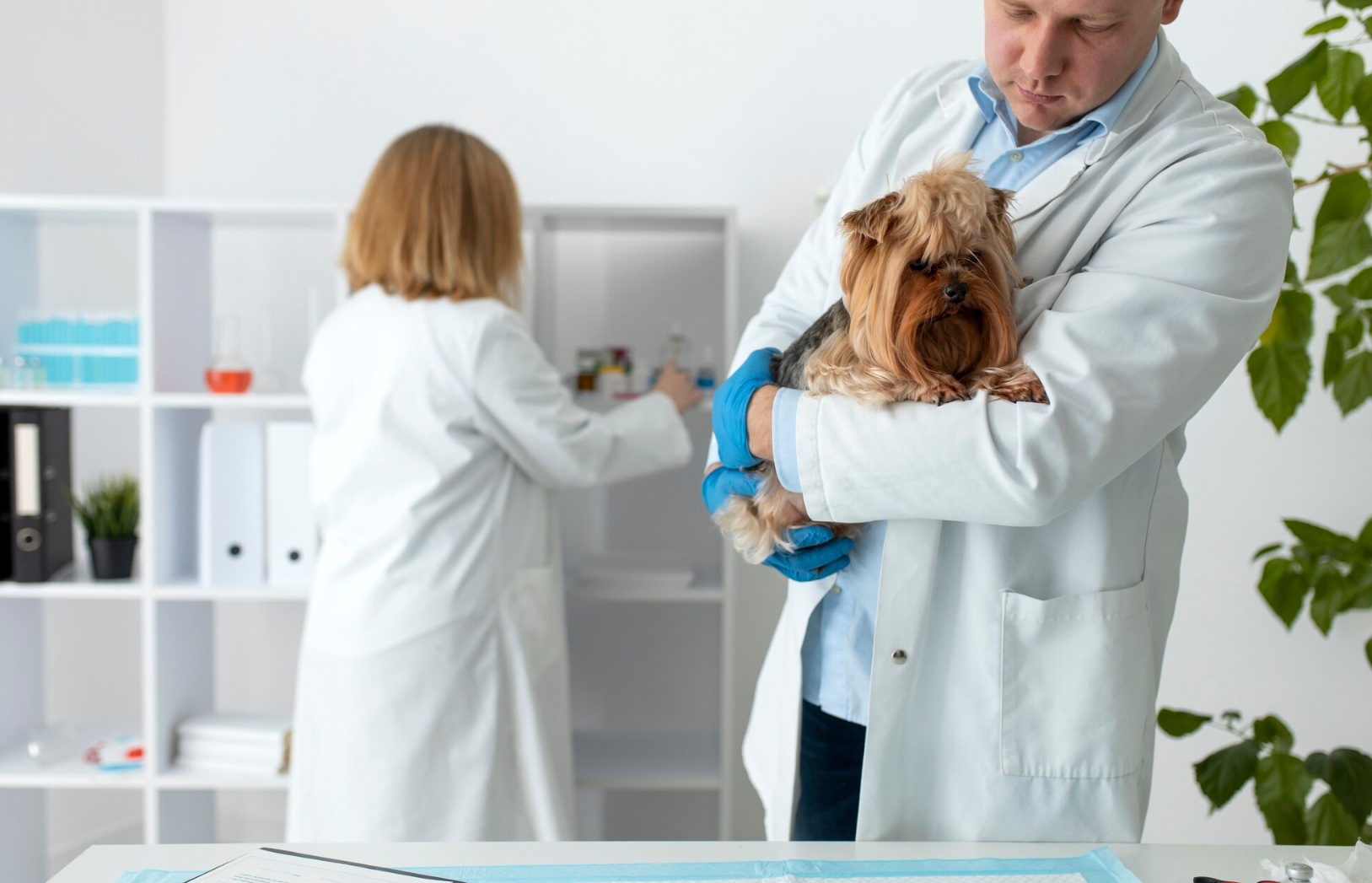
Staff members play a crucial role in stress reduction. Training includes learning how to handle pets gently and confidently. Their approach can make a significant difference in your pet’s comfort level. They use positive reinforcement techniques during examinations.
Creating a Pet-Friendly Environment
Veterinary hospitals often incorporate pet-friendly designs. Non-slip floors and comfortable exam tables are just the start. Some hospitals offer pheromone therapy, which uses synthetic versions of natural animal scents to calm pets. You might notice diffusers in the exam rooms.
Flexible Scheduling and Communication
Veterinary hospitals understand that your time is valuable. They offer flexible scheduling to reduce waiting times. Clear communication is key. You are informed at every stage, from diagnosis to follow-up care. This transparency helps you feel in control and less anxious.
Table: Common Stress Reduction Techniques
| Technique | Description |
| Separate Waiting Rooms | Divides areas for different animals to reduce stress and tension. |
| Gentle Handling | Uses calm, soft touch to ease pet anxiety during check-ups. |
| Pheromone Therapy | Diffuses calming scents in the environment to help relax pets. |
| Quiet Environments | Minimizes noise to create a soothing atmosphere for pets. |
Benefits for Pet Owners
As a pet owner, your stress levels also matter. Veterinary hospitals aim to provide a seamless experience. By reducing your pet’s stress, your anxiety diminishes too. Staff engage with you to ensure all your questions are answered.
Trust and Expertise
Knowing that your veterinary hospital is committed to reducing stress builds trust. You can feel confident in the care provided. This assurance allows you to focus on your pet’s health without extra worry.
For more information on pet health and stress reduction techniques, visit the American Veterinary Medical Association.
Conclusion
Veterinary hospitals prioritize stress reduction for both pets and owners. By creating a calm environment, training staff, and providing flexible services, they ensure a positive experience. These efforts show dedication to both your pet’s health and your peace of mind.
About the Author