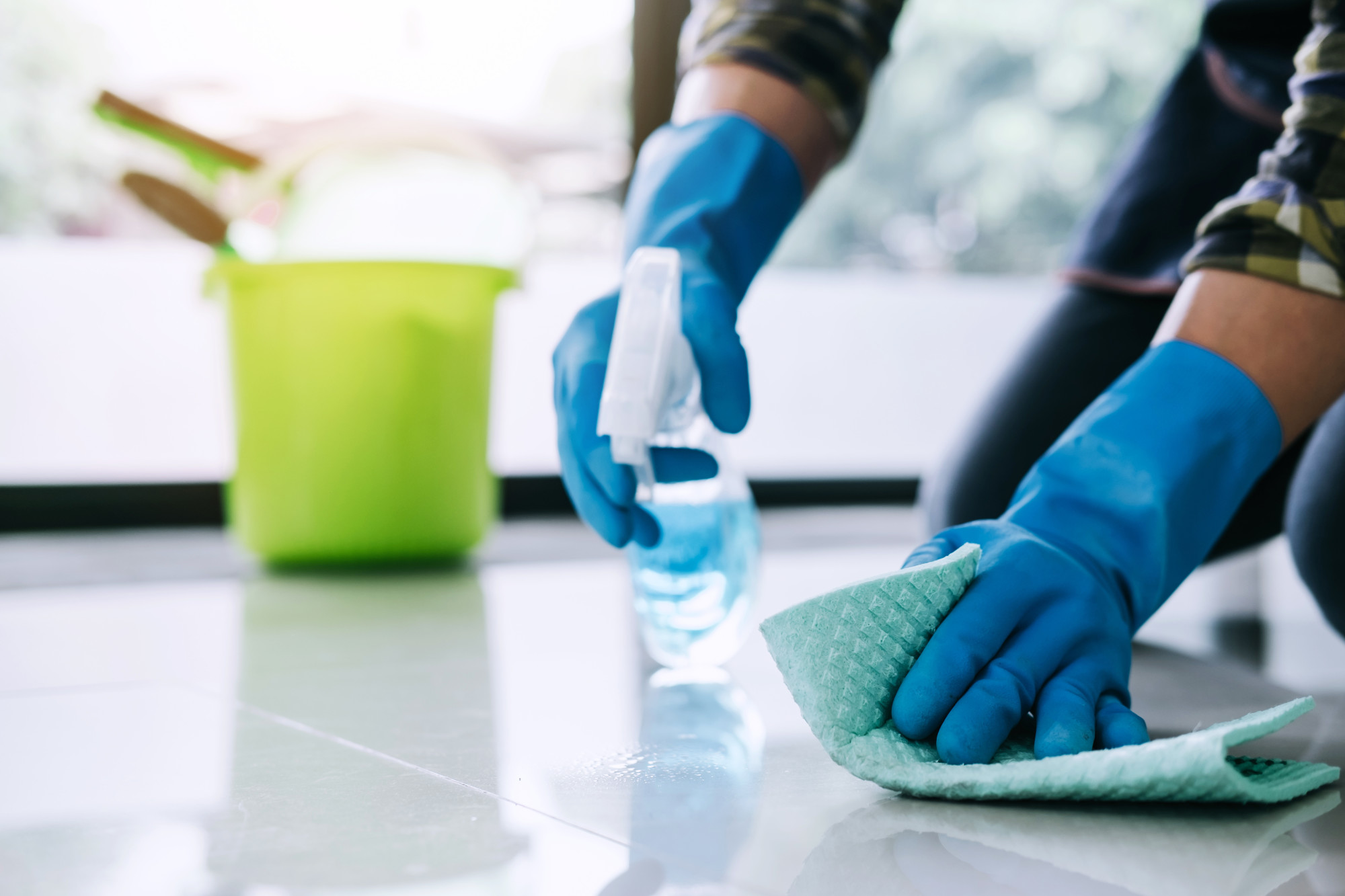
Deep Cleaning
Deep cleaning upholstery material is essential to maintain a clean and hygienic living environment. Whether you are cleaning your sofa, chairs, or any other upholstered furniture, there are several important things to remember to ensure the process is effective and safe. Here are some guidelines to follow during deep cleaning:
Read the manufacturer’s instructions: Before starting the cleaning process, check the manufacturer’s guidelines and recommendations for cleaning the specific type of upholstery material. Different fabrics may have different care requirements.
Test on a small area: Before applying any cleaning solution to the entire upholstery, test it on a small, inconspicuous area to ensure it doesn’t cause any damage or discoloration.
Vacuum first: Use a vacuum cleaner with a soft brush attachment to remove loose dirt, dust, and debris from the upholstery surface. This helps prevent the dirt from embedding further during the deep cleaning process.
Identify stains: Take note of any stains or spots on the upholstery and identify the nature of the stains (e.g., food, beverage, oil, ink) to choose the appropriate cleaning method and solution.
Use appropriate cleaning agents: Different upholstery materials require specific cleaning agents. For example, some may need water-based solutions, while others may require specialized solvent-based cleaners. Always use products suitable for the material you’re cleaning.
Follow proper cleaning techniques: Ensure you follow the recommended cleaning techniques for the specific upholstery material. For instance, some materials may require blotting stains instead of rubbing to avoid spreading the stain.
Regular maintenance: You can get help from deep cleaning Dubai to perform regular maintenance like vacuuming and spot cleaning to keep the upholstery in good condition.
Avoid excessive moisture: Excessive moisture can damage some upholstery materials, such as silk or leather. Use minimal water or cleaning solution, and avoid over saturating the fabric.
Use gentle tools: Use soft brushes, microfiber cloths, or soft sponges to clean the upholstery. Avoid abrasive brushes or scrubbing pads that could damage the fabric.
Clean in a well-ventilated area: If you’re using any cleaning agents, make sure the room is adequately ventilated to prevent inhaling fumes.
Allow sufficient drying time: After cleaning, allow the upholstery to air dry completely before using it again. Avoid placing any objects on the damp upholstery to prevent imprints or damage.
Protect the surrounding areas: When using cleaning agents, protect the floor and surrounding furniture from spills or splashes that could cause damage.
Consider professional cleaning: For delicate or valuable upholstery, or if you’re unsure about the cleaning process, consider hiring a professional upholstery cleaner with experience in handling different materials.
Test in a Hidden Area: Before applying any cleaning solution or method to the visible parts of the upholstery, test it in an inconspicuous area. This step will ensure that the cleaning product or technique does not cause discoloration or damage to the fabric.
Choose the Right Cleaning Method: There are various cleaning services in Dubai such as steam cleaning, solvent-based cleaning, or using upholstery shampoo. Pick the appropriate method based on the fabric type, stain severity, and manufacturer’s recommendations.
Use Suitable Cleaning Products: If you decide to use a cleaning solution, make sure it is specifically designed for upholstery cleaning. Avoid harsh chemicals or bleach that could damage the fabric or cause irritation.
Spot Cleaning: For small stains or spills, use a clean cloth or sponge to gently blot the area. Avoid rubbing vigorously, as it might spread the stain or push it deeper into the fabric.
Steam Cleaning: Steam cleaning is effective for removing dirt and grime from upholstery. ent mold or mildew growth. Open windows or use fans to facilitate faster drying. Avoid sitEnsure you use a suitable steam cleaner designed for upholstery, and follow the instructions carefully.
Drying Properly: After cleaning, ensure the upholstery dries completely to preventing on the furniture until it’s fully dry.
Avoid Over-Wetting: Excess moisture can lead to water damage or cause the growth of mold and mildew. Use the minimum amount of water or cleaning solution necessary for the job.
Protect the Surrounding Area: When using cleaning solutions, protect the floor or carpet around the furniture to avoid any potential damage from spills.
About the Author