FreePik.com
Your teeth may feel fine. You may chew, smile, and talk without a second thought. That comfort can hide slow damage that you cannot see or feel yet. Quiet tooth decay, gum infection, and enamel wear often start long before pain. Once pain begins, treatment is harder, more costly, and more stressful. Preventive dentistry stops small problems from turning into emergencies. It uses simple steps. Regular cleanings. Careful exams. Early X rays. Honest talks about your daily habits. A general dentist in Aurora, IL can spot warning signs that you miss in the mirror. You gain control instead of reacting in fear when something breaks. You protect your heart, lungs, and your blood sugar as well as your smile. You also protect your time, your money, and your sleep. Preventive care is not extra. It is the base of a steady, pain free mouth.
Why a “Healthy” Mouth Can Still Be at Risk
Teeth often stay quiet while disease grows. You can have deep cavities without pain. You can have gum infection while your gums look pink in the mirror.
Decay and gum disease start with plaque. That is a thin film of germs that sticks to teeth. Brushing and flossing help. Yet plaque hides between teeth and under the gums where your brush cannot reach well.
At first, early decay only affects the outer enamel. You feel nothing. Then the damage reaches the softer layer inside the tooth. You still may feel nothing. Pain often shows up only when the decay reaches the nerve. At that point you may need a root canal or an extraction. Early care could have stopped that.
How Often You Need Checkups and Cleanings
Most people need a checkup and cleaning every six months. Some need care every three or four months. Children, pregnant people, people with diabetes, and people who smoke often need closer follow up.
The American Dental Association explains that regular visits let your dentist catch decay and gum disease early and give support for home care.
What Happens During Preventive Visits
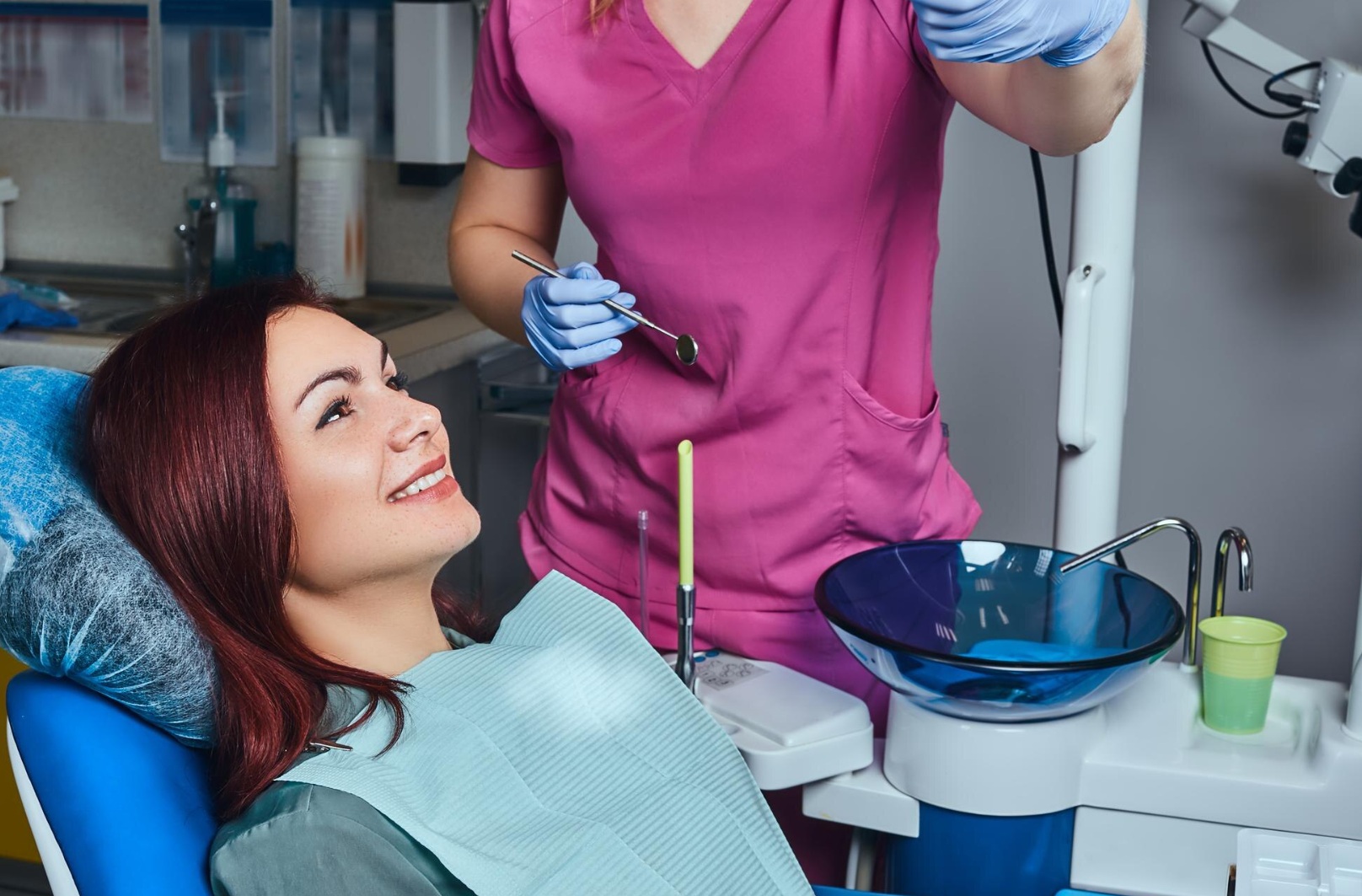
A preventive visit is simple. You sit in the chair. Your dental team does three core things.
- Clean your teeth to remove plaque and tartar
- Check your teeth, gums, and mouth for early disease
- Talk with you about your daily habits and risks
The cleaning removes tartar. That is hardened plaque that you cannot brush off at home. Tartar cuts into gums and feeds more germs. Your hygienist uses special tools to remove it above and below the gumline.
The exam checks for cavities, gum infection, loose teeth, worn fillings, and sores in the mouth. The dentist may use small X rays to see between teeth and under old fillings. The Food and Drug Administration gives clear X ray safety guidance at FDA Dental Radiography.
Preventive Care vs Waiting for Pain
Waiting for pain feels easy in the short term. You save a visit. You skip the chair for a while. Yet the cost builds in the background. The table below shows a simple comparison.
| Care Choice | What Usually Happens | Common Treatment | Impact on Time and Stress
|
| Regular preventive visits | Decay and gum disease found early | Small fillings, cleanings, fluoride, sealants | Short planned visits. Lower stress. |
| Waiting until pain | Large cavities and deep gum infection | Root canals, crowns, extractions, deep cleanings | Long urgent visits. Higher stress. |
| No routine care | Teeth loosen or break. Infection spreads. | Multiple extractions. Dentures or implants later. | Many visits. Sleep loss. Heavy money cost. |
Preventive care cannot stop every problem. Yet it cuts risk. It keeps treatment simple and less painful. It keeps more of your natural tooth structure.
How Oral Health Ties to Your Whole Body
Your mouth connects to your blood and your breathing. Germs from infected gums can enter your blood. That can strain your heart and blood vessels.
Research links poor oral health to heart disease, stroke, lung infection, and trouble with blood sugar control. People with diabetes often heal slower and face higher gum disease risk. Gum disease can make blood sugar harder to manage. Preventive dental care and good blood sugar control support each other.
Simple Daily Habits That Protect Your Teeth
Preventive dentistry starts at home. Your daily habits matter as much as office care. Focus on three main steps.
- Brush twice a day with fluoride toothpaste
- Clean between teeth every day with floss or small brushes
- Limit sugary drinks and snacks
Try to brush for two minutes. Use a soft brush. Aim the bristles toward the gumline. Move in small circles. Spit out the foam. Do not rinse right away. That leaves some fluoride on your teeth.
When you snack often, germs get more fuel to make acid. That acid eats away at enamel. Try to keep sugary drinks and snacks with meals. Drink water between meals.
Special Protection for Children and Teens
Children often get cavities in the grooves of back teeth. Sealants can protect those grooves. A sealant is a thin protective coating that the dentist paints onto the chewing surface. It blocks food and germs from hiding in the deep lines.
Fluoride treatments also help children and teens. Fluoride makes enamel stronger. It helps repair weak spots before they turn into full cavities.
When to Call Even If There Is No Pain
Do not wait for strong pain or swelling. Call a dentist if you notice any of these signs.
- Bleeding when you brush or floss
- Red, puffy, or tender gums
- Bad taste or bad breath that does not clear
- Sensitivity to cold, heat, or sweet food
- Chips, cracks, or rough spots on teeth
- Sores in your mouth that last more than two weeks
The sooner you call, the simpler the fix. Early care keeps you in control. It also protects your family. Children watch how you handle health. When you treat preventive visits as normal, they learn that care is routine, not scary.
Take the Next Step
You do not need pain to justify a dental visit. You only need the goal of keeping your mouth strong and steady. Set up a checkup. Ask clear questions. Share any health conditions or medicines. Then build a plan for steady preventive care.
Your future self will thank you for fewer sleepless nights, fewer long visits, and a mouth that lets you eat, speak, and smile with ease.
About the Author